Tinder-style functionality in Khmer language? Many parents will be appalled at the idea. But in a country that is phone-crazy, with more sim cards than citizens, it may be hard to avoid.
But let’s see what the target group – young, urban, literate Cambodians – derive from it. Already, the product team is setting its sights on a bigger target – Myanmar, one of the few countries in the region where regulation will be tough to enforce. (See below).
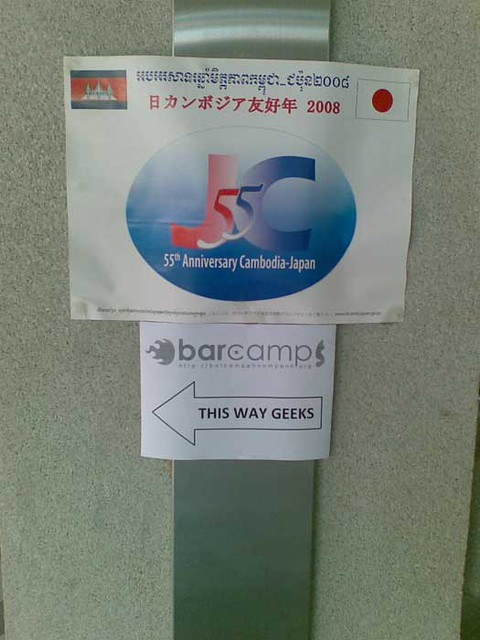
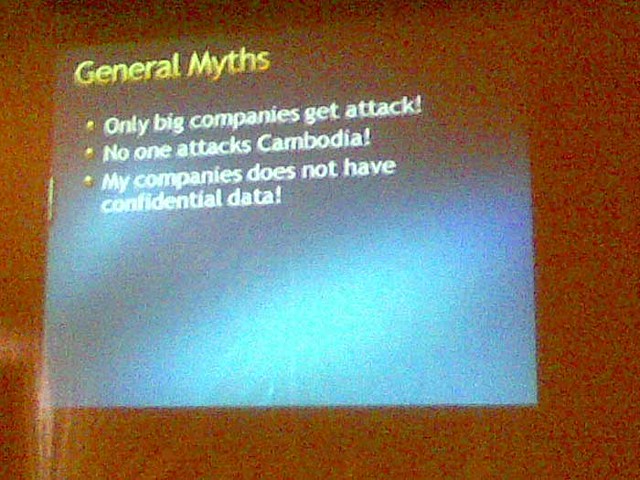
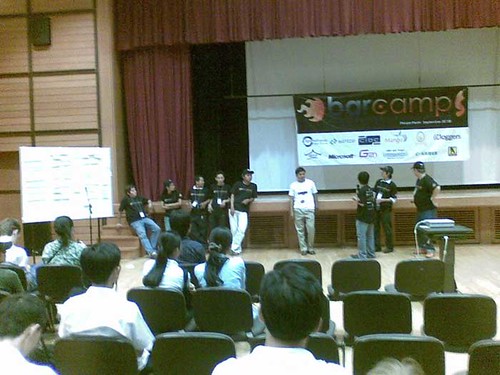
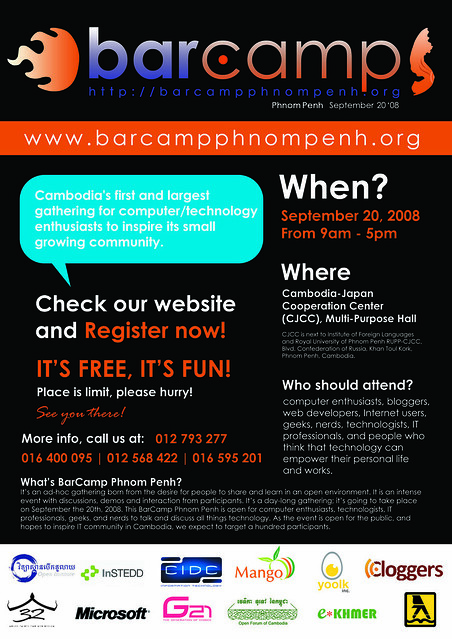
Looking back to Cambodia’s very first BarCamp (Sept 2008), following on the heels of our 2007 Blogger summit.
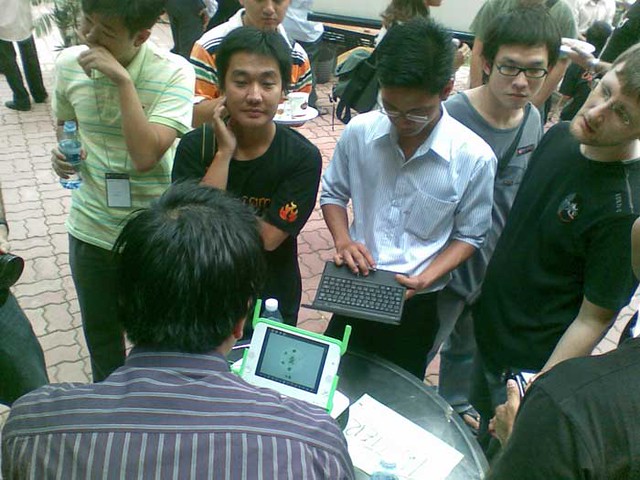
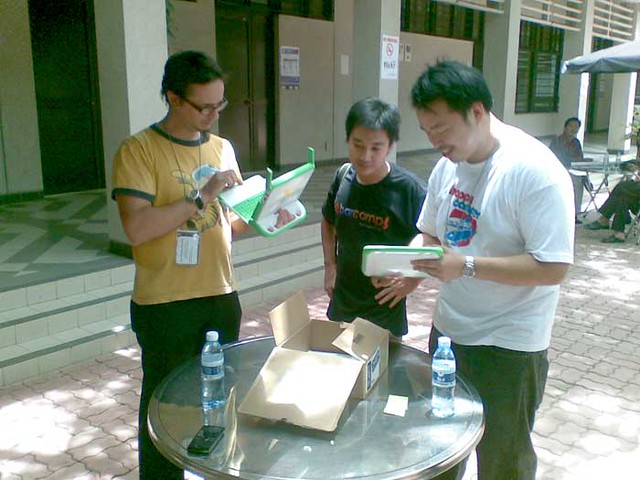
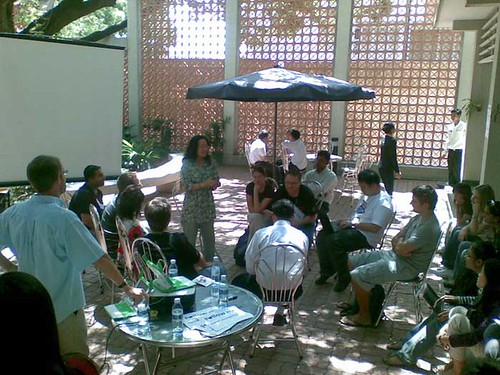
As with the prior meeting, we were amazed regarding the enthusiasm, as many people came from near and far.
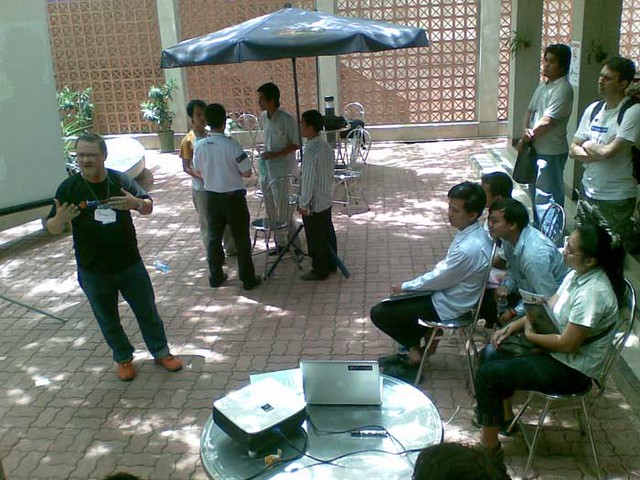
Opening talk in Khmerlish by sponsor Microsoft. They also handed out shirts with their logo which one of our participants quietly noted were a knockoff of a global brand (Izod, I think?)
‘The Usual Suspects’. I can spot Tharum, Chantra; who else?
At the very end, a quiet attendee raised his hand and praised the gathering. He was from one of Cambodia’s Ministries, I believe it was the Ministry of Interior. It was not clear if he was attending in a private or public capacity. But that’s Cambodia for you.
In the 1980s and 1990s, there were weren’t so many books and films about contemporary Southeast Asia in the West.
To be considered a scholar of Cambodian history, the first step was to simply read everything on the topic. And there wasn’t that much explicitly about the country or the area. It was simply “read everything, watch everything”.
Today I’m pleased to observe that’s not entirely possible. There are many more books, publications, films, comics and music. And many more in the voices of Cambodians themselves.
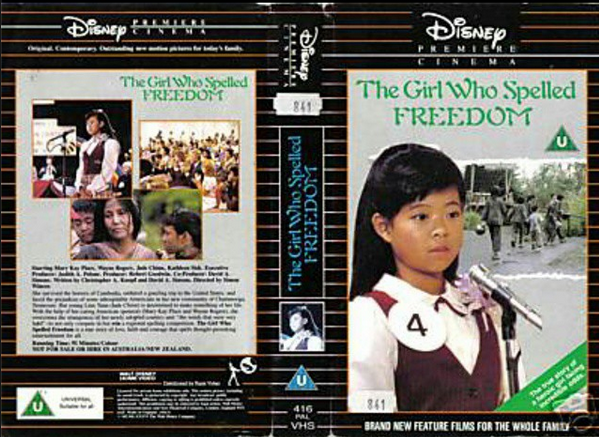
This is a cheesy Disney TV movie. Those who can speak Khmer won’t hear much of it. But as people have pointed out, it was an attempt to show real-world situations, and one of the very first opportunities for Khmers to recognize themselves in the media.